What can acupuncture treat?
Acupuncture is a evidence-based medical system recognized by major global health organizations. The World Health Organization (WHO) has published extensive reviews of clinical trials showing that acupuncture is effective for over 100 different conditions, ranging from chronic pain and migraines to digestive issues and emotional health.
Here you can find the report from the WHO.
- Pain (all kinds): Low back, neck, sciatica, tennis elbow, knee, periarthritis of the shoulder, sprains, facial (including TMJ), headache, dental, and postoperative pain.
- Emotional/Psychological: Anxiety, Depression (including depressive neurosis), Insomnia, Stress.
- Gastrointestinal: Acute gastritis, peptic ulcer, acute epigastralgia, and morning sickness.
- Cardiovascular: Primary hypotension, essential hypertension, and stroke.
- Respiratory: Allergic rhinitis (including hay fever).
- Gynecological: Primary dysmenorrhea (menstrual cramps) and induction of labor.
- Chronic Issues: Osteoarthritis, fibromyalgia, and gouty arthritis.
- Respiratory: Bronchial asthma and sore throat (including tonsillitis).
- Gastrointestinal: Ulcerative colitis, cholecystitis, and irritable colon syndrome.
- Neurological: Bell’s palsy, Meniere’s disease, and neuralgia (post-herpetic).
- Reproductive: Female infertility, PMS, and polycystic ovary syndrome (PCOS).
- Other: Adverse reactions to radiotherapy or chemotherapy and biliary colic.
Frequently Asked Questions
This varies from case-to-case; the vast majority of conditions require a series of treatments.
More acute conditions are generally better served by a more frequent treatments over a shorter period of time. Conversely, chronic issues are better served by consistent weekly or bi-weekly treatments over a longer period.
For more information on this topic please see: http://www.itmonline.org/arts/restructure.htm
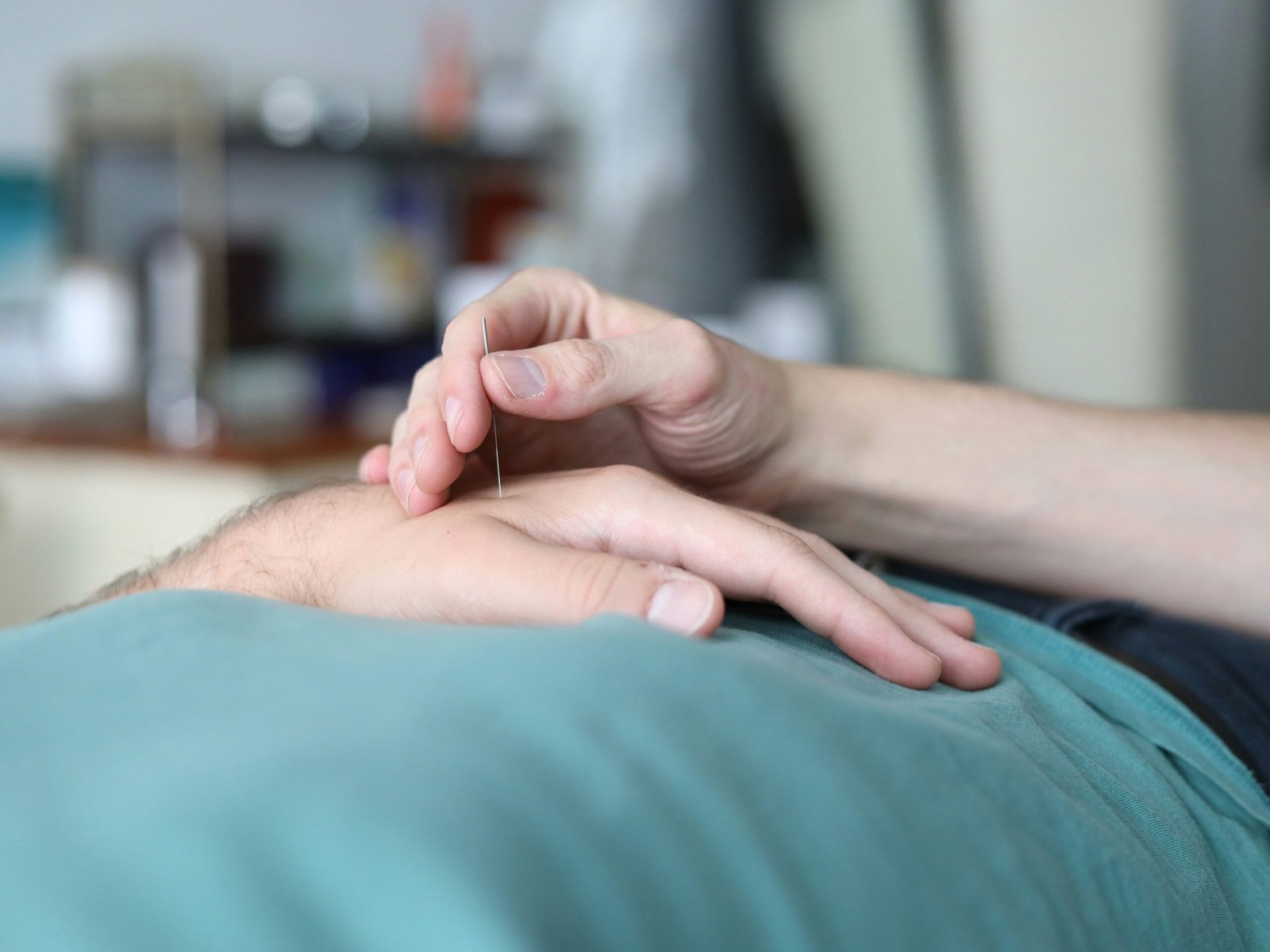
Acupuncture needles are very thin– orders of magnitude thinner than needles used to deliver medical injections.
There may be some sensation associated with the delivery of needles sometimes characterized as a “dull ache” or “tingling” but these sensations are temporary and can be part of the process. Overall, most report acupuncture to be quite relaxing and many patients choose to sleep during their treatment.
Yes, we use sterile 1-time use needles that are discarded after use.
This depends on the patient and situation: everywhere from 12-15 minutes to one hour; but generally between 30 and 45 minutes.
No, acupuncture uses meridian theory: the study of the energy flow in the body. This is sometimes combined with using “local points”– for example points in local distressed and painful areas but does not generally exclusively do that.
Dry Needling is a localized, orthopedic technique. The practitioner identifies a “trigger point” (a tight knot in the muscle) and inserts a needle to cause a micro-trauma or twitch response to release that specific muscle. It is essentially a physical therapy tool used to treat a local symptom.
Acupuncture is a comprehensive system of medicine. We don’t just look at the knot in the muscle; we look at the internal environment that allowed that knot to form. We use needles to influence the nervous system, blood flow, and the body’s “Dharma”—its natural path of balance. An acupuncture treatment might involve needles in the feet to treat a headache, or in the ear to treat anxiety, because we are treating the whole person and using meridian theory (how energy flows in the body). Acupuncture combines this with the use of local points.
There is a difference in training required as well:
- Acupuncturists are required to earn a four-year Master’s Degree in Oriental Medicine, involving years of supervised clinical internships and rigorous national board certifications. We spend thousands of hours studying the safe, precise, and sophisticated use of needles.
- Dry Needling is often performed by other healthcare providers who have taken a short certification course over a weekend. While they are experts in their own fields (like physical therapy), their training in needle-specific therapy is a fraction of that of a Licensed Acupuncturist.
Which one is right for me?
If you have a simple, isolated muscle strain, dry needling can provide temporary relief. However, if you are looking for a practitioner who can address the root cause of your pain, while also supporting your sleep, digestion, and stress levels, Acupuncture provides a much safer and more holistic path to long-term wellness.
Robert’s Perspective: “In my 15 years of practice, I have found that pain is rarely just about a single muscle. By treating the whole body’s system, we achieve a more sustainable healing that doesn’t just silence the pain, but restores your vitality.”
The traditional explanation for how acupuncture works is that the life energy flowing through the body which is termed Qi (pronounced chee) can be influenced and balanced by stimulating specific points on the body. These points are located along channels of energy known as meridians that connect all of our major organs. According to Chinese medical theory, illness arises when the cyclical flow of Qi in the meridians becomes unbalanced or is blocked. Acupuncture works to restore balance to the body.
Even if the above seems esoteric, scientific research has shown that following an acupuncture treatment various physiological shifts occur. These shifts include an increase in the production of the body’s own natural painkillers and anti-inflammatory agents, and improvements in hormonal activity and immune system functions depending on the type and purpose of the treatment employed.
Unfortunately, there is no correlation between inserting needles in certain points and shedding weight with all other factors equal.
Weight gain often has multiple causes, however, and acupuncture can help with some factors that may influence the goal to lose weight. For example. in some cases, weight gain in an individual can be caused by habitual eating related to the need to calm anxiety or feeling more grounded rather than purely for nutritional needs. Acupuncture can help with the anxiety and cravings, but it requires the patient’s own awareness in this case to change the habit combined with the support of the acupuncture treatments.
In short, there is no substantial scientific evidence for acupuncture to help with weight loss, but together with a holistic treatment plan and the patient’s faithful execution to that plan it can be helpful.
As with weight loss, there is no magic bullet. Acupuncture can help with withdrawal systems, cravings, and the anxiety that might cause someone to want to smoke. Therefore, it can be one part of an effective program that requires patient buy-in and discipline.
On request I can provide the NADA protocol.
Healing Awaits
Book an acupuncture treatment to restore balance and well-being.